Blog ·
Seasonal Maintenance Protects Your Envelope
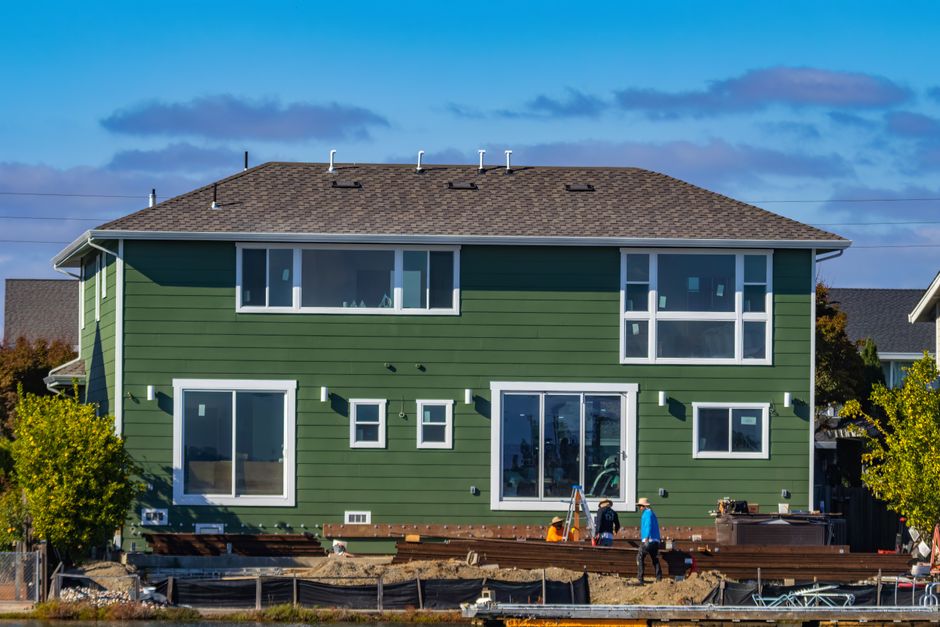
Your home's envelope faces constant pressure from sun, rain, snow, wind, and temperature swings. Regular seasonal maintenance prevents small problems from becoming expensive repairs. A straightforward maintenance routine, performed consistently, is the most cost-effective way to protect both the exterior and interior of your home.
Seasonal inspections catch issues early when they're easiest and least expensive to address. Delaying maintenance allows problems to compound—a small roof leak becomes attic rot, foundation cracks widen into larger damage, and deteriorated siding fails to shed water properly.
Spring and Summer Checks
After winter, inspect your roof for missing or damaged shingles, cracked flashing, and debris-clogged gutters. Clean gutters thoroughly to ensure water drains properly away from your foundation. Check your foundation for new cracks or evidence of water damage.
Walk the perimeter of your home. Look for cracked or separating caulk around windows and doors. Check siding for splits, warping, or areas where water might penetrate. Inspect exterior paint for peeling or fading that exposes wood. Clear debris from around your foundation and ensure grading slopes away to shed water.
Summer is ideal for resealing masonry, applying fresh caulk, or touching up exterior paint. Address landscaping issues—trim trees away from your roof and siding, and ensure mulch doesn't contact your foundation or create moisture traps against walls.
Fall and Winter Preparations
Before winter arrives, ensure gutters and downspouts are clear and functioning. Verify that your roof is in good condition to handle ice and snow loads. Trim branches overhanging your roof. Have your chimney inspected and cleaned before you use your fireplace.
Weatherstrip and caulk should be in excellent condition before cold weather arrives. Check that attic venting isn't blocked by insulation or debris. Prepare crawl spaces for moisture management—proper vapor barriers and ventilation prevent frozen pipes and structural rot.
Year-Round Vigilance
Don't wait for seasonal inspections to address obvious problems. If you notice a leak, new crack, or damaged weatherstripping, fix it promptly. These small issues spread quickly when exposed to weather.
Keeping detailed records of your maintenance work helps you track patterns and plan ahead. When you stay ahead of deterioration, your home's envelope remains strong, protecting everything inside for years to come.